Why RUTF Must Be Added to the NHIS; A Call for National Action
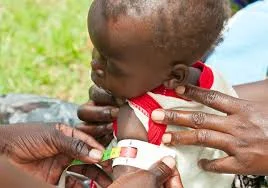
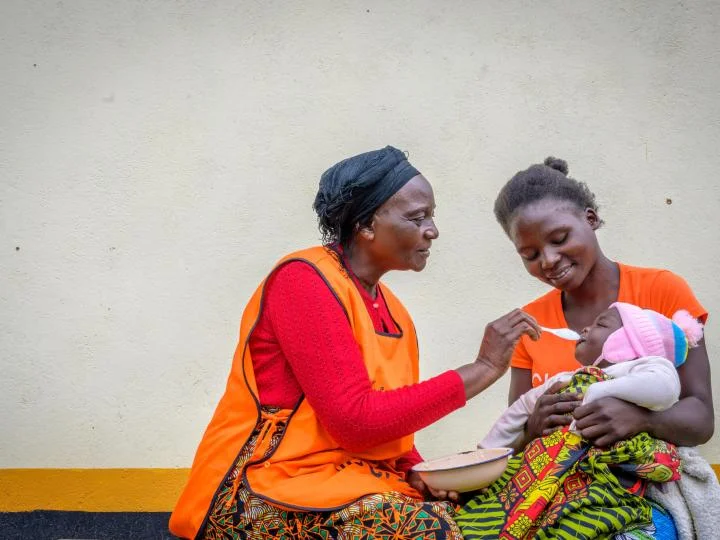
Despite RUTF’s proven ability to save lives, access to it in Ghana remains inconsistent. Many caregivers face long travel distances to treatment centres, only to be told that supplies have run out. Others rely on community health workers who do their best but struggle with stock shortages. The core challenge is simple: RUTF in Ghana depends heavily on donors, and when global priorities shift or funding gaps emerge, children suffer.
This raises an important question: why is a life-saving product, essential to child survival, not covered under the National Health Insurance Scheme (NHIS)?
Including RUTF in NHIS would mark a monumental shift in how Ghana approaches child health. Firstly, it would ensure that access to RUTF becomes a national obligation, not an act of charity. Severe acute malnutrition is a medical condition, just like malaria, pneumonia, or diabetes, and must be treated as such. With RUTF included in the NHIS medicines list, families would be guaranteed treatment without depending on unpredictable donor supplies.
Secondly, integrating RUTF into NHIS is cost-effective. Untreated malnutrition leads to complications such as severe infections, developmental delays, and prolonged hospital admissions, all of which are far more expensive for the health system than early intervention. Investing in RUTF through NHIS would reduce long-term healthcare costs while strengthening Ghana’s commitment to the Sustainable Development Goals, particularly SDG 2 and SDG 3.
Thirdly, including RUTF in the scheme would help eliminate inequities. Currently, access varies by region. Children in remote or hard-to-reach communities often suffer the most. When RUTF is made universally available, every child is guaranteed treatment when they need it.
At its core, this is an issue of fairness, governance, and national responsibility. If Ghana truly prioritizes child survival, then RUTF must be placed where it belongs, that is, within the NHIS as an essential, guaranteed treatment.
Feature article by Women, Media and Change under its Nourish Ghana: Advocating for Increased Leadership to Combat Malnutrition project