The Hidden Hunger- Why Eating Enough Isn’t the Same as Eating Well
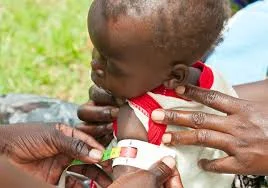
In bustling markets across Ghana, traders call out over heaps of rice, yam, and maize. For many households, these staples represent security which is proof that no one will go to bed hungry. Yet behind this apparent abundance lies a hidden crisis: hidden hunger, a silent form of malnutrition caused not by lack of food, but by lack of nutrients.
Hidden hunger affects millions, especially women and children. It weakens the body, dulls the mind, and limits human potential. The tragedy is that it thrives not because we don’t know how to fix it, but because our systems don’t prioritize it.
Despite several government initiatives from the National Nutrition Policy (2016–2020) to food fortification programs, progress remains slow. Implementation is inconsistent, coordination among ministries is weak, and public investment in nutrition is still below the global minimum target. Meanwhile, imported junk foods continue to flood the market unchecked, while local farmers struggle to market healthy indigenous crops like millet, sorghum, and moringa.
Nutrition is not just a health issue; it’s a development and governance issue. When ministries and local assemblies fail to integrate nutrition into agricultural planning, education, and poverty reduction strategies, the result is a cycle of poor diets and poor health.
At Women, Media and Change (WOMEC), we believe that nutrition should be treated with the same urgency as any national emergency. Through media advocacy and public engagement, WOMEC continues to push for transparency in nutrition governance and for stronger community voices in decision-making.
Ultimately, ending hidden hunger requires more than awareness, it demands action from those who set the agenda. Nutrition must move from the margins of development planning to the center of national policy.
When governance supports good nutrition, the results go far beyond full stomachs. We build a healthier, smarter, more productive nation.
Feature Article by Women, Media and Change Under its Nourish Ghana: Advocating for Increased Leadership to Combat Malnutrition Project.